
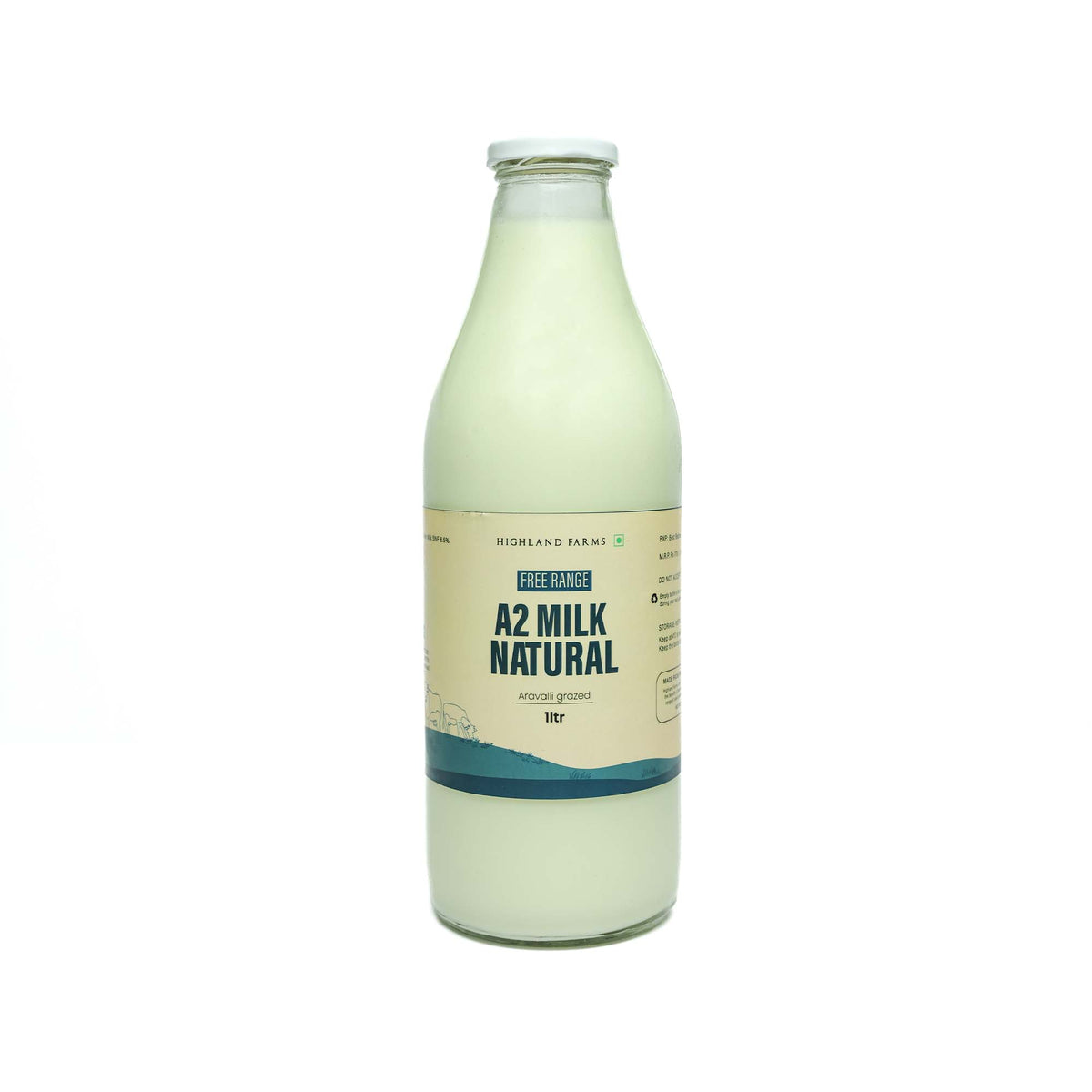










This guide unpacks the science of A2 vs A1 protein, explains why A2 milk is gentler on your gut, and reveals exactly who benefits most-from babies to fitness enthusiasts. We’ll show you the research, practical daily amounts, and how Highland Farms A2 milk fits into your family’s wellness routine.
A1 vs A2 Milk: The Protein Difference Explained
What is Casein?
When we talk about milk proteins, about 80% of the protein content comes from casein. To understand how this protein plays a role in cheese-making, you can explore how cheese like burrata is made and its origin. Within casein, there’s a specific protein called beta-casein that exists in two main variants: A1 and A2. The difference is tiny, literally just one amino acid at position 67 of the protein chain. In A2 milk, that position has proline, while A1 milk has histidine, as explained in this scientific review on beta-casein variants and digestion.
This might sound like a tiny difference, but that single amino acid change affects how the protein is digested and may lead to different digestive responses in some people.
Why A1 Casein Causes Issues
Here’s where it gets interesting. When A1 beta-casein is digested, it can release a peptide called beta-casomorphin-7 (BCM-7). This peptide is known to interact with μ-opioid receptors found in the digestive tract and the central nervous system. Because of this interaction, researchers are studying whether BCM-7 may influence gastrointestinal function and other physiological processes, according to research published on PubMed Central.
Animal studies have shown that A1 casein milk increases digestive transit time and enhances myeloperoxidase activity, an enzyme associated with inflammation. In simpler terms, A1 milk may slow digestion and trigger inflammatory responses in the gut
How A2 Differs (Science-backed)
A2 milk, on the other hand, releases little or no BCM-7 during digestion. This is because the A2 beta-casein protein contains proline at position 67, which prevents the release of the BCM-7 peptide during digestion. As a result, some people find A2 milk easier to digest and experience fewer symptoms like bloating or stomach discomfort, according to Medical News Today article explaining how A2 milk affects digestion.
The Science: Does A2 Milk Really Digest Easier?
BCM-7 and Your Digestive System
I’ve spent months diving into the research on this, and the evidence is compelling. Some clinical studies have reported reduced digestive discomfort markers after A2 milk consumption compared with conventional milk. Some studies suggest A2 milk may reduce digestive discomfort, faecal urgency, and borborygmus compared to A1/A2 milk. The same study showed that faecal calprotectin - a marker of gut inflammation - decreased or increased less after consumption of A2 milk compared to regular milk.
Research Studies
The body of research supporting A2 milk’s digestive benefits has grown substantially in recent years. Studies suggest that A2 milk may cause fewer gastrointestinal symptoms compared to conventional milk because digestion of A1 β-casein releases the bioactive peptide β-casomorphin-7 (BCM-7), which has been associated with digestive discomfort, as discussed in research on A2 milk and gastrointestinal health.
What makes this particularly exciting is that Bifidobacterium is associated with numerous health benefits, including improved digestion and enhanced immune function. These beneficial bacteria produce short-chain fatty acids that support overall gut health
Lactose vs Casein: What’s the Real Issue?
Here’s something crucial that many people don’t realise: if you’ve been avoiding milk thinking you’re lactose intolerant, you might actually have an issue with A1 casein instead. True lactose intolerance is about the inability to break down milk sugar. Casein sensitivity is different it’s about how your body reacts to the protein.
A2 milk still contains lactose, so if you’re genuinely lactose intolerant, it won’t solve that problem entirely. However, reduced inflammation from A2 can improve overall gut tolerance, which may help some people tolerate dairy better than they thought possible, according to clinical research on digestive tolerance and milk protein variants.
Who Benefits Most from A2 Milk?
Infants & Toddlers
For young children, digestive comfort is crucial. I’ve spoken with dozens of Delhi parents who switched to A2 milk and noticed immediate improvements in their children’s digestion. The gentler protein structure means less strain on developing digestive systems.
Kids (1-12 years)
School-age children need calcium for bone development, but often struggle with regular milk, causing stomach upset or constipation. A2 milk provides the same nutritional benefits without the digestive drama that can make morning routines challenging.
Fitness Enthusiasts & Athletes
A2 milk is considered a promising alternative for athletes who struggle with gastrointestinal problems from regular milk consumption. For those hitting the gym regularly, digestive comfort can make or break your workout performance. A2 bovine milk offers all the health benefits of regular milk but provides easier digestion for athletes.
Seniors & Digestive Health
As we age, our digestive systems become more sensitive. The reduced inflammatory response from A2 milk makes it an excellent choice for elderly family members who need the nutrition milk provides but can’t tolerate the digestive upset from regular varieties.
Daily Consumption: How Much A2 Milk Should You Drink?
Age-wise Guidelines
The recommended amounts vary by life stage:- Ages 1-3: 300-500 ml daily (about 2 glasses) - Ages 4-8: 500-700 ml daily (2-3 glasses) - Ages 9-18: 700 1000 ml daily (3-4 glasses during growth spurts) - Adults: 500-750 ml daily (2-3 glasses) - Seniors: 500-600 ml daily (adequate for calcium needs)
For Specific Health Goals
If you’re using A2 milk for fitness recovery, consider consuming 200-300 ml within 30 minutes post-workout. The protein helps with muscle repair, and the easier digestion means your body can actually use those nutrients efficiently.
For gut health improvement, start with one glass daily and gradually increase over 2-3 weeks. This allows your microbiome to adjust and gives you a clear sense of how your body responds.
Signs You’re Consuming Too Much
Even with A2 milk’s easier digestibility, moderation matters. Watch for: Feeling overly full or bloated despite the easier digestion- Not feeling hungry for solid meals due to milk consumption- Excess calcium intake (above 2500 mg daily) can interfere with iron absorption
For families looking for a cleaner dairy option, Highland Farms A2 desi cow milk provides natural nutrition without digestive discomfort.
Common Myths vs Facts About A2 Milk
Myth: A2 milk is just marketing hype with no real difference.
Fact: Research suggests that the type of milk protein may influence digestion and gut health. Some emerging studies suggest that milk protein variants may influence gut microbiota composition, while digestion of A1 beta-casein releases the peptide BCM-7, which may affect gut motility and digestive comfort, as highlighted in recent microbiome research on milk protein variants.
Myth: A2 milk is lactose-free.
Fact: A2 milk contains the same amount of lactose as regular milk. The key difference lies in the type of protein it contains A2 milk has only A2 beta-casein, while regular milk usually contains both A1 and A2 proteins, as explained in Medical News Today’s overview of A2 milk.
Myth: All desi cow milk is A2.
Fact: While breeds like Gir, Sahiwal, and Tharparkar naturally produce A2 milk, proper testing is essential. The topic is discussed in detail in this analysis of India’s A2 milk debate and dairy genetics.
How to Identify Real A2 Milk (Not a Scam)
The A2 milk market in India has grown rapidly, and unfortunately, that means some brands cut corners. Here’s what to look for:
1. Lab Certification: Demand third-party casein testing results. Highland Farms includes lab reports accessible via QR code on each pouch.
2. Breed Information: Genuine A2 milk comes from specific breeds. Ask which cows are being milked.
3. Price Reality Check: True A2 milk costs 15-20% more than regular milk due to careful breeding and testing. If it’s priced the same as conventional milk, be sceptical.
4. Cold Chain Verification: A2 milk’s benefits are maximised when it’s fresh. Look for brands with transparent delivery timelines. Highland Farms delivers within 2-4 hours of milking.
Highland Farms A2 Milk: Our Testing & Sourcing Promise
At Highland Farms, we believe A2 purity should be a matter of proof, not just a claim. To ensure the highest standards of quality and consistency, every batch of our milk undergoes rigorous testing in our internal laboratory. For unbiased validation, we also conduct regular periodic testing through NABL-accredited third-party labs, ensuring that every drop delivered to your doorstep meets our uncompromising promise of transparency and excellence.
Our cows live in open natural pastures in the Aravalli region in a free-range environment, where they can move freely and graze naturally. No routine antibiotics, no artificial hormones, no shortcuts. As a result, the milk is easier to digest and naturally contains higher omega-3 fatty acids and essential vitamins.
FAQ
Q: Is A2 milk really easier to digest than regular milk?
A: Yes, multiple clinical studies confirm A2 milk’s digestive advantages. A 2024 study showed A2 milk reduced digestive discomfort parameters like abdominal pain and faecal urgency compared to conventional milk.
Q: Can A2 milk help with lactose intolerance?
A: Partially. A2 milk helps people with casein sensitivity (not true lactose intolerance). If you’re lactose intolerant, the issue is lactose sugar, not protein type. However, reduced inflammation from A2 can improve overall gut tolerance.
Q: How much A2 milk should my child drink daily?
A: For ages 1-5 years, 2-3 glasses (480-720 ml) is recommended. This provides adequate calcium and protein for growth without excessive intake.
Q: Is A2 milk from grass-fed cows better?
A: Yes. Grass-fed A2 milk contains approximately three times more omega-3 fatty acids and higher antioxidants compared to grain-fed alternatives. Highland Farms sources from regeneratively farmed pastures specifically for these enhanced nutritional benefits.
Q: How do I know if I’m buying real A2 milk?
A: Demand lab certification for casein typing. Highland Farms includes third-party test results accessible via QR code on each pouch. Look for breed information (Gir, Sahiwal, Tharparkar produce A2), cold-chain delivery verification, and visible certification logos.


0 comments